

Event planning can feel overwhelming when you’re staring at a blank page. Start with your purpose, audience, budget and timeline, then book the venue and build a checklist. Do those in order and the rest falls into place.
| Item | Value |
|---|---|
| Steps in RedPodium’s planning guide | 9 steps |
| Suggested budget cushion | 10% more than you plan to spend |
| Timeline for a small event | A couple of months |
| Timeline for a large conference | Up to a year |
| Essential elements in Cvent’s checklist | Ten elements |
| Share of the world’s population with some form of disability | 16% |
These figures come from guides by RedPodium and Cvent. They are rules of thumb and can change, so check the source before you rely on them.
What is event planning?
Event planning is the work of organising an event from the first idea to the final thank-you. ProjectManager describes it as putting on and managing a variety of events, from something as small as a meeting to as big as a convention and everything in between.
For you, that might be an engagement party, a family reunion or a dinner the night before a wedding. The scale changes, but the building blocks stay the same.
- A clear purpose and a known audience
- A budget with room to move
- A timeline that works backwards from the date
- A venue and vendors that fit the plan
- A checklist for the day itself
- A short review once it’s over
Guides split this work into different numbers of steps. RedPodium’s guide is a 9-step framework, while Wild Apricot says planning a successful event comes down to 13 steps. They cover the same ground in different slices.
If you want the whole sequence laid out in order, read how to plan an event step by step. This page is the wider map that shows how the pieces fit together.
Start with purpose and audience
Before you pay a deposit or look at a single venue, get clear on the purpose of your event. RedPodium’s guide puts it plainly: make sure you have some clarity on the big picture before you lock down a location or fork over any hefty deposits, and ask why you are having the event in the first place (RedPodium guide).
Write your answers down in a few lines. These questions are a good start:
- Why am I hosting this event?
- What do I want guests to feel or do when they leave?
- Who is it for, and who is not invited?
- How will I know it went well?
Wild Apricot suggests turning goals into SMART goals: Specific, Measurable, Achievable, Relevant and Time-bound. It also recommends working backwards from your event date with a workback schedule, a habit that pays off in the timeline section below (Wild Apricot).
Next, think about your audience. A guest list of close family needs a different tone, pace and menu than a mixed group of colleagues and friends. RedPodium suggests using your email list and social media accounts to poll the audience, which works for a larger event. For a small party, a quick message to a few guests does the same job.
Finally, share the load. Wild Apricot notes that assigning individual roles to team members creates a system of accountability and prevents tasks from falling to the wayside. Even at home, naming who handles invitations, food and set-up saves arguments later.
Set a budget and a timeline you can keep
Money shapes nearly every choice, so settle your budget early. RedPodium warns that far too often, event organizers neglect to budget ahead and spend as they go. Its advice is to draft a budget, list fixed and variable costs, and keep the document handy when it’s time to negotiate and commit.
RedPodium also gives a general rule: decide how much you want to allocate, then plan for 10% more, because a weather change or inflation can eat into a tight plan (RedPodium guide). For a worked example, see how to create an event budget.
Budget and time are linked. RedPodium says a larger budget tends to offer a greater range of choices, while a tight budget can require extra time for bargain hunting. If money is limited, give yourself longer.
How much time you need depends on the size of the event. Cvent says that for a small event your timeline may only need to be a couple of months, while for larger conferences it could run for up to a year (Cvent). Greenvelope offers a small example: a retirement party for 12 people might only need a few weeks of planning (Greenvelope).
To build your own timeline, start from the date and count backwards. A simple version looks like this:
- Fix the date and the guest list.
- Book the venue and the biggest vendors.
- Send invitations and track replies.
- Confirm every detail with vendors.
- Run the day, then review it.
A shared spreadsheet is enough for most personal events. If several people are helping, add a short check-in meeting at set points. Cvent recommends a timeline that includes regular meetings to provide updates, so everyone knows what needs to happen and when.
Choose the venue, vendors and details
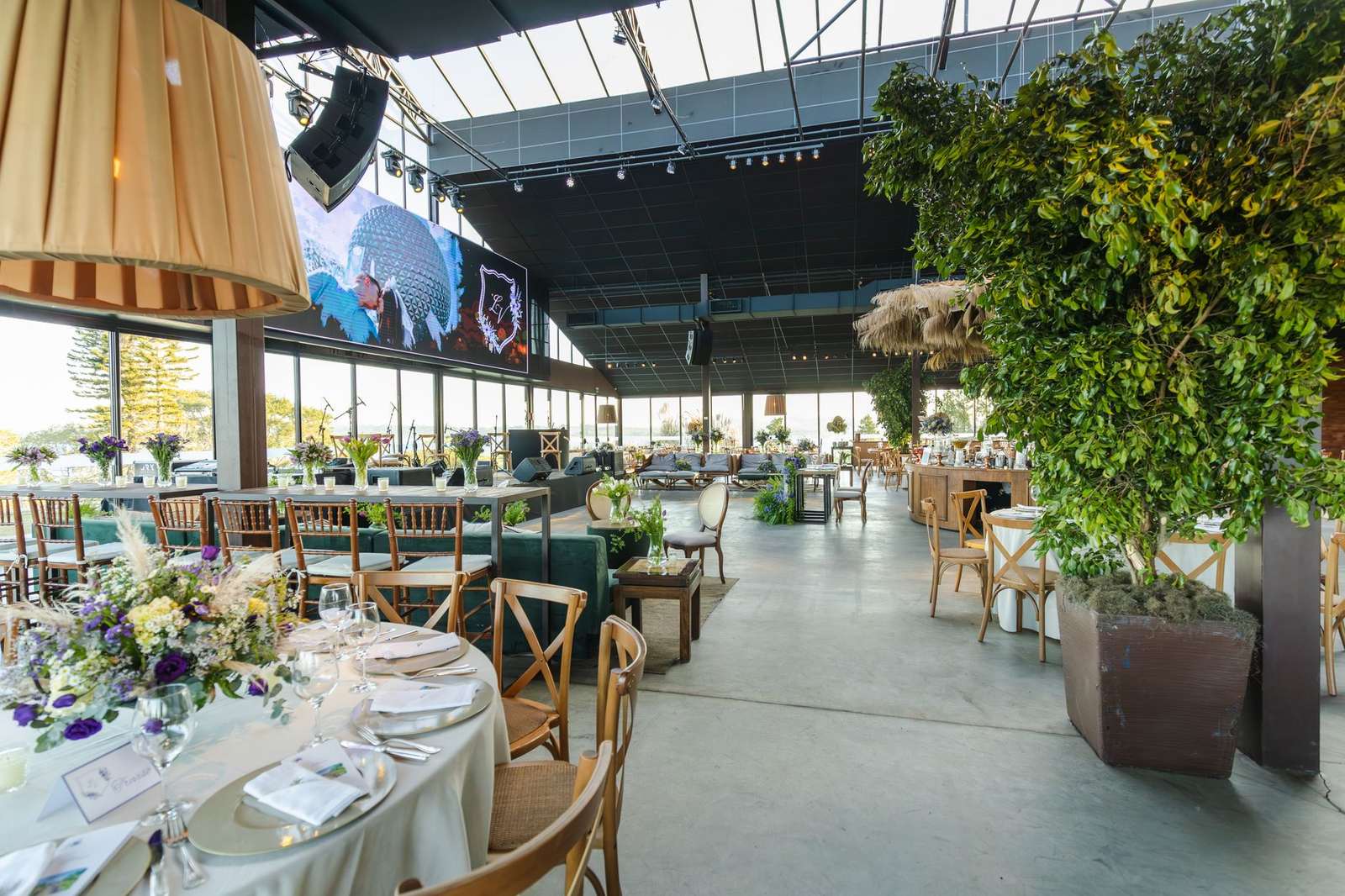
Your venue should serve the event, not the other way around. RedPodium warns that if you book the wrong venue, you’ll be forced to build your event around the location rather than the other way around. Two of its first questions are about availability (is the venue free when you need it?) and capacity (can it hold an event of your size?).
Ask about the full price before you commit. Greenvelope points out that a private room at a restaurant on a Wednesday night will likely be cheaper than the same party on a Friday night. It also advises asking the venue to disclose extra fees such as corkage, taxes, tips and gratuities, and cake cutting (Greenvelope).
When you compare venues and vendors, keep a simple scorecard:
- Is the date available, and is there any flexibility?
- Does the space fit your guest count comfortably?
- What is included, and what costs extra?
- Can guests get there, park and stay nearby?
- Does the venue allow outside caterers or décor?
Food deserves early attention. Greenvelope advises having something for guests with special dietary considerations, such as vegan, vegetarian and gluten-free options. It also notes that online invitations save time and money, and that built-in reply tracking helps you give the caterer a final headcount.
Accessibility belongs in the plan from the start, not as a last-minute fix. Cvent notes that over a billion people, or 16% of the world’s population, experience some form of disability. It suggests finding out what guests may need from you or your chosen venue (Cvent). A quick question on the invitation, such as “Is there anything we should know to make the day easier for you?”, covers a lot.
Once the big decisions are made, a checklist keeps small things from slipping. Cvent lists ten essential elements to include, from goals and budget to venue, technology and evaluation. Our event planning checklist turns that idea into a list you can work through.

Planning the events around a wedding
Many first-time planners arrive here because a wedding is coming. The day itself is only part of it, since there are often smaller gatherings before it. Each one has its own purpose, guest list and mood, so the same purpose-first approach applies.
Use these guides for the most common ones:
- Learn how to plan an engagement party if you want to celebrate the news with family and friends.
- Read how to plan a bridal shower if you are hosting one for someone close to you.
- See how to plan a rehearsal dinner for the gathering before the ceremony.
- Follow how to plan a virtual event when guests live far away and can’t travel.
Planning remotely adds its own habits: shared documents, one source of truth for the guest list, and clear deadlines for replies. Our hub on online wedding planning covers how to run the bigger project from a screen.
Planning together can also test a relationship, especially when budgets and guest lists collide. Our collection of relationship advice for engaged couples is a useful companion when decisions get tense.
Run the day, then review it
In the final weeks, your job shifts from deciding to confirming. Greenvelope suggests fine-tuning and confirming details with the venue, vendors, performers and equipment providers. It also suggests checking your replies so you can give a final headcount to the caterer.
On the day, a short run sheet helps. List arrival times for vendors, when food is served, any speeches and the finish time. Give a copy to one trusted helper so you are not the only person who knows the schedule.
Afterwards, take a little time to review. RedPodium’s final step is “Celebrate and Reflect”, and its planning checklist includes post-event feedback. Ask a few guests what worked, and note what you would change (RedPodium guide).
Keep these notes with your budget and timeline. If you plan another event later, you will start with real numbers instead of guesses. RedPodium says to start with data from your past events when drafting a budget.
Frequently asked questions
How far ahead should I start event planning?
Show answer
It depends on the size of the event. Cvent says a small event may only need a couple of months, while a large conference could take up to a year (Cvent). Starting earlier gives you more choice of dates and venues.
How much extra should I add to my budget?
Show answer
RedPodium’s general rule is to decide how much you want to allocate and then plan for 10% more (RedPodium). That margin covers surprises such as weather changes and rising prices.
Do I need special software to plan an event?
Show answer
Not for most personal events. RedPodium suggests an event timeline template or a spreadsheet for a visual layout of your timeline, and a shared document does the same job for a small group.
What should I decide first?
Show answer
Decide the purpose of the event and who it is for. Every later choice, from the venue to the menu, is easier once those two answers are written down.